Magic Mushrooms Grower’s Guide
Navigating the world of Psilocybe cubensis cultivation requires understanding legal ramifications, potential risks, and responsible practices;
this guide offers a comprehensive overview for informed growers.
Legality and Risks
Cultivating psilocybin mushrooms carries significant legal risks, as possession and cultivation remain illegal under federal law in the United States.
Psilocybin is classified as a Schedule I controlled substance, leading to potentially severe penalties, including substantial fines and imprisonment, for violations.
However, legal landscapes are evolving, with some cities and states decriminalizing or legalizing psilocybin for therapeutic or recreational use.
Beyond legal concerns, growers face risks related to product quality and safety.
Commercially available mushrooms may not accurately reflect labeled potency, posing dangers to consumers and undermining trust in psychedelic therapies.
Furthermore, improper cultivation techniques can lead to contamination, resulting in the growth of harmful molds or bacteria.
Responsible growers prioritize safety by adhering to strict sterilization protocols and understanding potential hazards.
Understanding Psilocybin Content
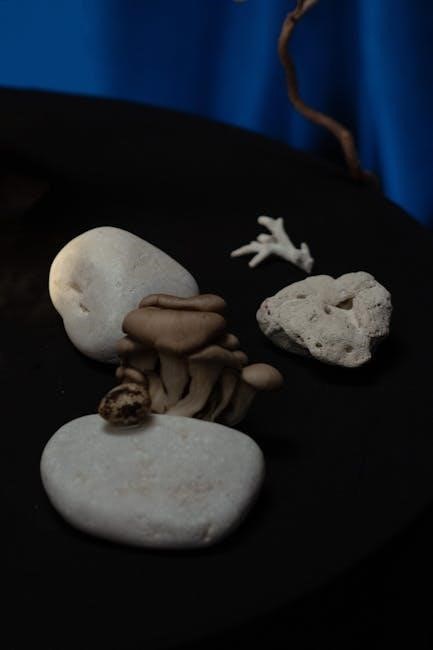
Psilocybin content in Psilocybe cubensis mushrooms varies significantly depending on several factors, including the specific strain, growth conditions, and genetics.
Determining precise psilocybin levels requires laboratory testing, as visual assessment is unreliable. Different strains exhibit inherent differences in potency, with some consistently producing higher concentrations of psychoactive compounds than others.
Environmental factors during cultivation also influence psilocybin production.
Temperature, humidity, light exposure, and substrate composition all play a role in determining the final potency of the mushrooms.
Understanding these variables allows growers to optimize conditions for maximizing psilocybin content, though consistent results are challenging.
It’s crucial to acknowledge the variability and exercise caution when consuming home-grown mushrooms, as potency can be unpredictable.
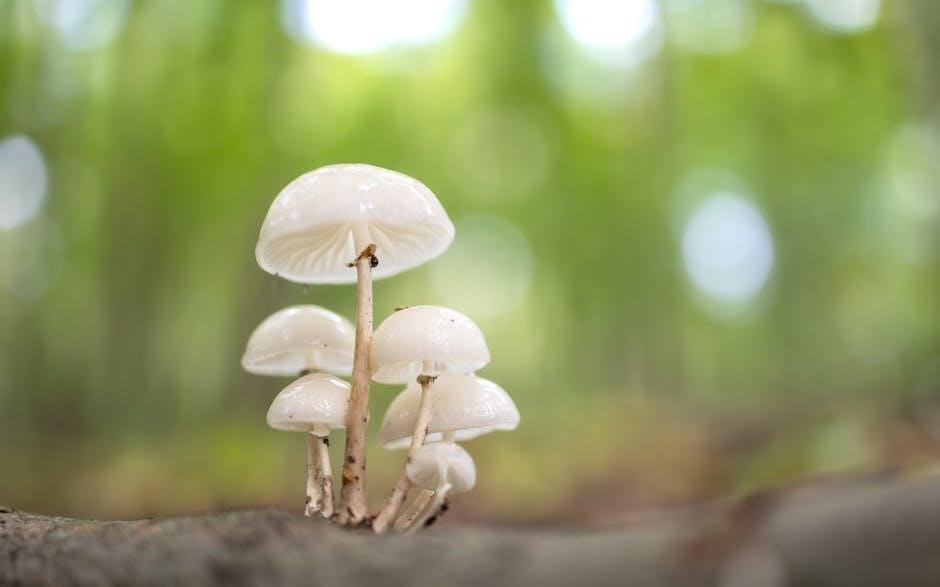
Sourcing Psilocybin Spores

Acquiring psilocybin spores is the initial step in mushroom cultivation, but legality varies significantly by location. In many jurisdictions, possessing spores is legal for microscopic study or research purposes, while germination is prohibited. Reputable online vendors specialize in providing spores for these legitimate applications, offering a wide selection of strains.
When selecting a spore source, prioritize vendors with established reputations for quality, purity, and discreet shipping. Research reviews and verify the vendor’s commitment to legal compliance. Avoid sources offering spores for illegal cultivation, as this poses legal risks. Spores typically arrive in a syringe or spore print format, requiring sterile technique for successful inoculation. Proper storage, usually refrigeration, is essential to maintain viability.
Choosing a Mushroom Strain
Selecting the right Psilocybe cubensis strain is crucial for a successful grow, as different strains exhibit varying characteristics in potency, growth speed, and fruiting conditions. Popular choices for beginners include Golden Teacher, known for its reliable growth and moderate potency, and Psilocybe cubensis, a classic, widely available strain.
More experienced growers might explore strains like Penis Envy, famed for its high psilocybin content but demanding cultivation requirements, or Blue Meanies, recognized for their striking appearance and potent effects. Consider your experience level and desired effects when making your selection. Research each strain’s specific needs regarding temperature, humidity, and substrate to optimize your grow.
Sterilization Techniques
Maintaining a sterile environment is paramount in mushroom cultivation, preventing contamination from molds and bacteria that can ruin your grow. Several sterilization techniques are employed, each with varying levels of effectiveness. Pressure cooking is the gold standard, utilizing high temperature and pressure to eliminate all microorganisms from substrates like grains and BRF cakes.
Alternatively, pasteurization, involving heating the substrate to a lower temperature, can be used for bulk substrates like straw or coco coir. Surface sterilization, using isopropyl alcohol to disinfect inoculation points and work surfaces, is a crucial supplementary step. Thoroughness and attention to detail are key; even minor lapses in sterilization can lead to catastrophic contamination, jeopardizing your entire cultivation effort.
Substrate Preparation
The substrate serves as the nutritional foundation for mushroom growth, providing essential nutrients and moisture. Different substrates suit various cultivation methods. Brown Rice Flour (BRF) cakes are a popular choice for beginners, offering a simple and relatively foolproof method. They require careful mixing with vermiculite and water, then sterilization before inoculation.
Grain spawn, utilizing rye, oats, or wheat berries, is favored for larger-scale grows. Grains are hydrated, simmered, and then sterilized in jars or bags. This method yields a faster colonization rate compared to BRF cakes. Proper substrate preparation is vital; the correct moisture content and sterilization are crucial for preventing contamination and ensuring robust mycelial growth, ultimately leading to a bountiful harvest.
Brown Rice Flour (BRF) Cakes
BRF cakes represent a beginner-friendly substrate, offering a controlled environment for mycelial colonization. The standard recipe combines brown rice flour, vermiculite, and water, typically in a 1:2:1 ratio. Thorough mixing is essential to ensure even hydration and distribution of ingredients.
Jars are then filled with the mixture, leaving a small air gap at the top. These jars undergo a rigorous sterilization process, usually via pressure cooking for 90-120 minutes, eliminating competing microorganisms. Post-sterilization, the jars must cool completely before inoculation to prevent contamination. BRF cakes are known for their simplicity and relatively low contamination risk, making them ideal for first-time cultivators seeking a manageable and rewarding experience.
Grain Spawn (Rye, Oats, Wheat)
Grain spawn, utilizing rye, oats, or wheat berries, provides a highly nutritious and rapidly colonizing substrate for Psilocybe cubensis. Grains are hydrated for 12-24 hours, then simmered until al dente – firm to the bite but not crunchy – to prevent bursting during sterilization. Proper hydration is crucial for optimal mycelial growth.
Like BRF cakes, grain spawn requires sterilization, typically through pressure cooking for 60-90 minutes, to eliminate competing organisms. Post-sterilization, the grains are cooled and inoculated with spores or liquid culture. Grain spawn offers faster colonization rates compared to BRF cakes, making it suitable for larger-scale grows. However, it demands meticulous sterilization techniques due to its higher susceptibility to contamination.
Inoculation Process
Inoculation is the critical step of introducing Psilocybe cubensis spores or liquid culture to the prepared substrate, be it BRF cakes or grain spawn. Maintaining a sterile environment is paramount to prevent contamination. A still-air box (SAB) or laminar flow hood significantly reduces contamination risks.
Spores are typically introduced via a spore syringe, while liquid culture utilizes a syringe with a needle. The substrate is accessed through self-healing injection ports, minimizing contamination entry points. Even distribution of the inoculum is vital for uniform colonization. Following inoculation, the substrate is sealed and moved to the incubation stage. Thorough cleaning with isopropyl alcohol is essential before and after the process.
Incubation and Colonization
Incubation involves maintaining optimal conditions for mycelial growth, typically in a dark, temperature-controlled environment between 75-80°F (24-27°C). The substrate, now inoculated, will begin to show visible signs of colonization – white, fluffy mycelium spreading throughout.

Patience is key; full colonization can take several weeks, depending on the substrate and strain. Avoid disturbing the substrate during this phase. Monitor for contamination, looking for green, black, or other unusual colors. Once fully colonized, the substrate is ready for the fruiting stage. Proper airflow, though minimal during incubation, is crucial to prevent CO2 buildup. Maintaining consistent temperature and humidity are vital for successful colonization.
Fruiting Chamber Setup
Creating a fruiting chamber mimics the mushroom’s natural environment, encouraging pinning and development. A simple setup involves a plastic tub with modified air exchange – holes covered with micropore tape. The substrate is placed inside, often on a layer of perlite for humidity.
Light is necessary, but indirect is best; avoid direct sunlight. Maintaining high humidity (90-95%) is critical, achieved through regular misting and a humidifying agent like perlite. Proper ventilation prevents stagnation and CO2 buildup. Sterility is paramount to avoid contamination during this vulnerable stage. A well-designed fruiting chamber provides the ideal conditions for robust mushroom growth.
Maintaining Humidity
High humidity, typically between 90-95%, is absolutely crucial for successful fruiting. Mushrooms are primarily composed of water and require a consistently moist environment to develop properly. This is achieved through several methods, including frequent misting with distilled water – avoid spraying directly onto the substrate.
A layer of perlite at the bottom of the fruiting chamber, kept saturated with water, acts as a natural humidifier. Covering the chamber with plastic wrap (with air holes) can also help retain moisture. Regularly monitor humidity levels with a hygrometer and adjust misting or ventilation as needed to maintain the optimal range, preventing the substrate from drying out.
Temperature Control
Maintaining a stable temperature is paramount for each stage of mushroom growth. During colonization, a temperature of 75-80°F (24-27°C) is ideal, promoting robust mycelial growth. Once fruiting begins, a slight temperature drop to 70-75°F (21-24°C) encourages pinning and mushroom development.
Avoid drastic temperature fluctuations, as these can stress the mycelium and hinder fruiting. Utilize a thermostat-controlled heating pad or a cool-mist humidifier to regulate temperature within the fruiting chamber. Consistent temperatures are key to maximizing yields and ensuring healthy mushroom formation. Monitoring with a thermometer is essential for optimal results.
Pinning and Mushroom Development

Pinning, the formation of tiny mushroom primordia, signals the transition to fruiting. This stage requires increased fresh air exchange and consistent humidity. Small, white bumps will appear on the colonized substrate, gradually enlarging into recognizable mushroom shapes.
Maintaining high humidity (90-95%) is crucial during pinning and development. Avoid direct airflow onto the pins, as this can cause them to dry out and abort. Consistent temperature control, around 70-75°F (21-24°C), also supports healthy growth. Monitor closely for any signs of contamination and address them immediately. Patience is key, as mushroom development can take several days to weeks.
Harvesting Magic Mushrooms
Harvesting occurs when the veils under the mushroom caps begin to break, indicating peak psilocybin content. Gently twist and pull the mushrooms from the substrate, avoiding damage to the surrounding mycelium. A clean scalpel or sterile razor blade can also be used to cut the stems close to the base.
Handle harvested mushrooms with care to prevent bruising, which can degrade potency. Remove any substrate clinging to the stems. Multiple flushes (harvests) are possible from a single substrate cake or grow bag, with subsequent flushes typically yielding smaller harvests. Rehydrate the substrate between flushes to encourage further pinning and development.
Drying and Storage
Proper drying is crucial to prevent spoilage and maintain potency. Use a food dehydrator set to a low temperature (around 95-115°F or 35-46°C) or employ a fan-based drying method in a dark, well-ventilated space. Mushrooms are sufficiently dry when they snap rather than bend. This process typically takes 24-72 hours, depending on humidity and drying method.
Store dried mushrooms in airtight containers, such as glass jars with tight-fitting lids, in a cool, dark, and dry location. Adding a desiccant packet (silica gel) can further absorb any residual moisture. Properly stored mushrooms can retain their potency for several years, though some degradation will occur over time. Vacuum sealing offers extended preservation.
Troubleshooting Common Issues

Contamination is a frequent challenge; look for green, black, or grey mold – discard affected substrates immediately to prevent spread. Maintaining strict sterile technique during inoculation and fruiting minimizes risks. Slow colonization can stem from low temperatures, insufficient humidity, or poor substrate quality. Increasing temperature within the optimal range (75-80°F) and ensuring adequate moisture can help.
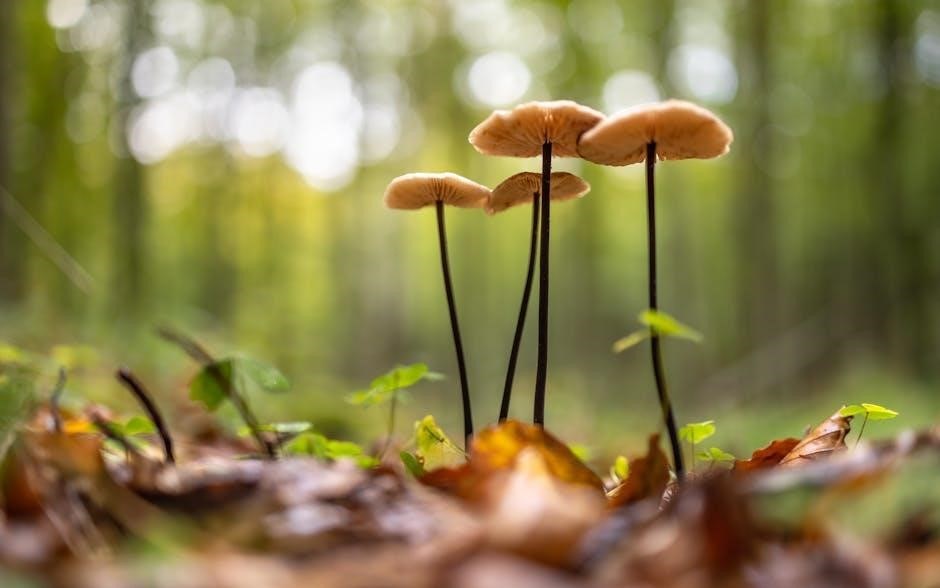
Pinning issues often relate to environmental factors. Insufficient fresh air exchange, low humidity, or improper lighting can hinder pin formation. Addressing these factors usually resolves the problem. If mushrooms abort (stop growing), it may indicate stress from fluctuating conditions or genetic factors. Careful monitoring and adjustments are key to successful cultivation.
Contamination Identification
Recognizing contamination early is crucial for preserving your grow. Common contaminants include green mold (Trichoderma), black mold, and bacterial blotch. Trichoderma appears as fuzzy, green patches, rapidly overtaking the substrate. Black mold often presents as dark, sooty spots, indicating a more aggressive infection. Bacterial blotch manifests as slimy, discolored areas on mushrooms, often accompanied by a foul odor.
Careful observation is key. Any unusual colors or textures warrant investigation. Isolate contaminated jars or cakes immediately to prevent spreading. Dispose of contaminated materials safely, avoiding introduction to other grows. Maintaining a sterile work environment and practicing diligent sanitation are the best preventative measures against unwanted guests.
Slow Colonization
Delayed colonization can be frustrating, but often isn’t fatal. Several factors contribute to sluggish growth, including low temperatures, insufficient humidity, or weak spore viability. Ideal incubation temperatures range between 75-80°F (24-27°C); cooler temperatures significantly slow mycelial growth. Ensure adequate fresh air exchange without introducing contaminants.
Check your substrate preparation. Improper hydration or nutrient deficiencies can hinder colonization. Patience is vital; some strains naturally colonize slower than others. If colonization stalls for an extended period, consider gently shaking the jar to redistribute mycelium. Avoid opening the jar unnecessarily, as this increases contamination risk. Monitor closely for any signs of contamination alongside the slow growth.
Legal Considerations and Penalties
Cultivating psilocybin mushrooms carries significant legal risks. Federally, psilocybin remains a Schedule I controlled substance, making possession and cultivation illegal. Penalties can include substantial fines and lengthy prison sentences, varying based on quantity and intent. Even spore possession can be legally problematic in some jurisdictions, as germination implies intent to cultivate.
State laws are evolving, with some cities and states decriminalizing or legalizing psilocybin for therapeutic use. However, these changes don’t negate federal law. It’s crucial to thoroughly research and understand the specific laws in your location before considering cultivation. Recent cases demonstrate strict enforcement, including large-scale busts involving significant quantities of mushrooms and associated penalties. Ignorance of the law is not a valid defense.
Responsible Consumption and Safety
If choosing to consume cultivated mushrooms, prioritize safety and responsible practices. Begin with a low dosage to assess individual sensitivity, as effects vary greatly. Set and setting are crucial; ensure a comfortable, safe environment with trusted companions. Avoid mixing psilocybin with other substances, including alcohol and medications, to prevent unpredictable interactions.
Be aware of potential psychological effects, including anxiety, paranoia, and challenging emotional experiences. Individuals with pre-existing mental health conditions should exercise extreme caution or avoid consumption altogether. Proper identification is paramount; misidentification can lead to consuming poisonous mushrooms. Store mushrooms securely, away from children and pets.