What is a Glucose Log?
Definition and Purpose
A glucose log, often in PDF format, meticulously records blood sugar levels, aiding individuals and healthcare providers in understanding patterns and managing diabetes effectively․
A glucose log, frequently utilized as a PDF document, serves as a detailed record of an individual’s blood glucose (sugar) readings over time․ Its primary purpose is to empower individuals with diabetes – Type 1, Type 2, or gestational – to actively participate in their health management․
By consistently documenting glucose levels, alongside related factors like meals, medication, and physical activity, patterns emerge․ These insights are invaluable for adjusting treatment plans, preventing complications, and achieving optimal glycemic control․
The PDF format offers a standardized, easily shareable method for tracking this crucial health data․
Why Track Glucose Levels?
Consistent glucose tracking, often facilitated by a PDF log, is fundamental for effective diabetes management․ Monitoring reveals how food choices, exercise, stress, and medications impact blood sugar․ This understanding allows for informed adjustments to lifestyle and treatment, preventing dangerous highs and lows․
Regular logging helps identify trends, enabling proactive intervention before complications arise․ Sharing a PDF log with healthcare providers provides a comprehensive overview, leading to more personalized and effective care plans․
Ultimately, tracking empowers individuals to take control of their health․
Types of Glucose Logs
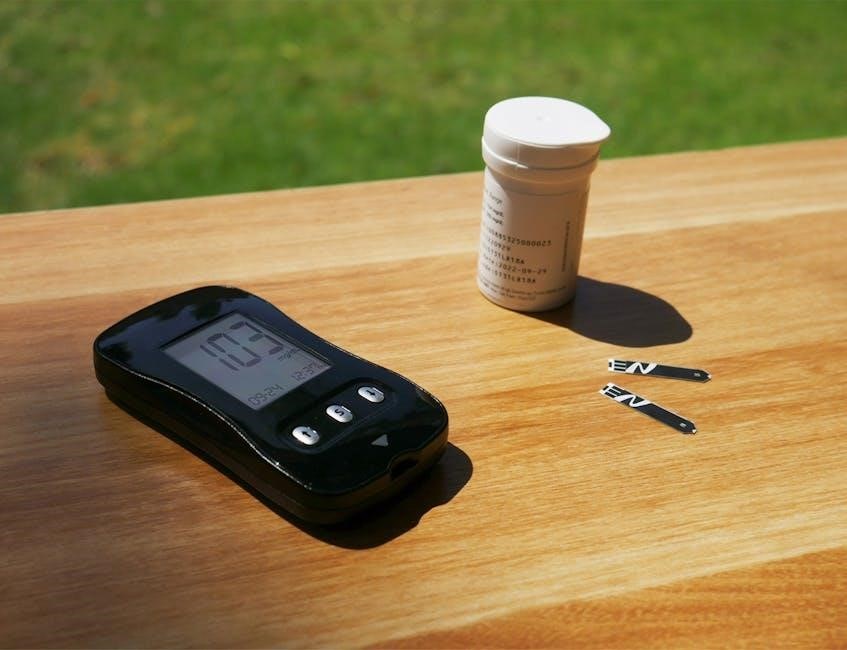
Glucose logs come in various forms, including traditional paper logs, digital spreadsheets, and convenient, printable PDF templates for easy tracking․
Paper-Based Glucose Logs
Historically, individuals managed their glucose data using physical notebooks or pre-printed paper logs․ These methods offer simplicity and don’t require technological proficiency, making them accessible to everyone․ However, paper logs are prone to loss, damage, or misplacement, hindering long-term data analysis․
Transcribing data from a glucose meter to paper can also be time-consuming and introduce potential errors․ While still utilized by some, paper-based systems lack the advanced features of digital alternatives, such as automated charting or easy sharing with healthcare professionals․ PDF versions can offer a slightly more organized paper approach․
Spreadsheet Glucose Logs (Excel, Google Sheets)
Spreadsheet programs like Microsoft Excel and Google Sheets provide a flexible alternative for tracking glucose levels․ Users can create custom templates or download pre-made ones, inputting data manually․ This allows for basic calculations and charting, offering a step up from paper logs․
However, spreadsheets require some computer literacy and can be prone to formula errors or accidental data modification․ While offering more functionality than paper, they still lack the specialized features of dedicated glucose logging apps or even well-designed PDF templates, and data security can be a concern․
PDF Glucose Logs – A Detailed Look
PDF glucose logs offer a balance between simplicity and functionality․ These downloadable documents present a pre-formatted structure for recording blood glucose readings, meal details, medication, and notes․ They are universally accessible, viewable on almost any device with a PDF reader, and printable for offline use․
PDFs maintain formatting consistency, preventing accidental alterations to the log’s structure․ While typically requiring manual entry, some interactive PDFs allow direct typing into fields․ They represent a convenient, cost-effective solution for those seeking a structured, yet uncomplicated, glucose tracking method․

Benefits of Using a Glucose Log PDF
PDF logs provide accessible, portable tracking of glucose data, offering standardized formats for consistent recording and secure, private data management․
Portability and Accessibility
Glucose log PDFs excel in portability; they can be easily carried on smartphones, tablets, or printed for physical access, unlike spreadsheet-based systems tied to computers․
This accessibility is crucial for individuals constantly on the move or preferring a tangible record․
PDFs don’t require active internet connections for viewing or basic data entry, making them reliable during travel or in areas with limited connectivity․
Furthermore, most devices readily support PDF viewers, ensuring widespread compatibility and ease of use for nearly everyone managing their glucose levels․
Ease of Use and Standardization
PDF glucose logs offer a standardized format, simplifying the recording process and minimizing errors compared to free-form note-taking․ Pre-designed templates guide users, ensuring consistent data collection – date, time, glucose reading, meals, and medication․
This structure benefits both individuals and healthcare providers, streamlining review and analysis․
PDFs are generally intuitive, requiring minimal technical skill to complete․
The fixed layout prevents accidental data alteration, maintaining record integrity and promoting reliable tracking of glucose trends over time․
Data Security and Privacy
PDF glucose logs, when stored locally, offer a degree of data security as they aren’t automatically synced to cloud servers․ This control is crucial for individuals concerned about privacy․ However, users must implement their own security measures – password protection, encryption, and secure storage – to prevent unauthorized access․
It’s vital to be mindful of sharing PDFs via email or other digital channels, ensuring recipients have secure methods for handling sensitive health information․
Always prioritize protecting personal health data․
Key Elements of a Glucose Log PDF
Essential PDF components include date/time, glucose readings, meal details, and medication information, providing a comprehensive record for effective diabetes management and analysis․
Date and Time of Measurement
Precisely documenting the date and time of each glucose reading is paramount for accurate tracking and analysis within a glucose log PDF․ This seemingly simple detail allows for the identification of patterns related to specific times of day, meals, or activities․ Consistent time-stamping enables healthcare providers to understand how glucose levels fluctuate throughout the day, leading to more informed treatment decisions․
Without accurate date and time information, it becomes challenging to correlate readings with lifestyle factors, potentially hindering effective diabetes management․ A well-designed PDF log will have dedicated fields for both date and time, ensuring clarity and minimizing errors․
Blood Glucose Level Reading
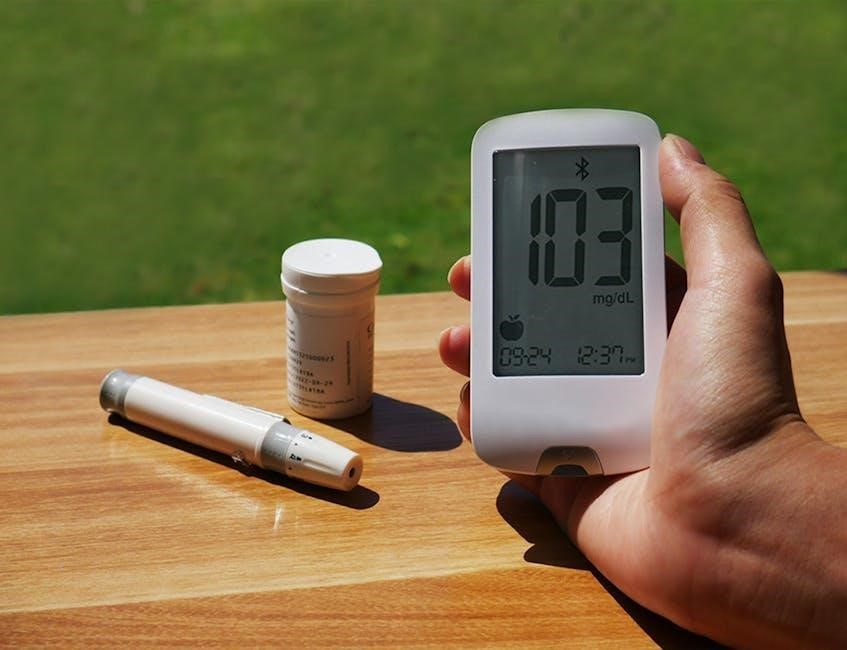
The core element of any glucose log PDF is the accurate recording of the blood glucose level itself․ This reading, typically expressed in milligrams per deciliter (mg/dL) or millimoles per liter (mmol/L), provides a snapshot of blood sugar concentration at a specific moment․ A clearly designated space within the PDF is crucial for entering this numerical value, minimizing transcription errors․
Consistent use of the correct units is vital for proper interpretation․ The log should also allow space to note the testing method used (e․g․, finger-prick, CGM), as this can influence the reading’s context․
Meal Information
A comprehensive glucose log PDF dedicates space to meticulously document meal details․ This isn’t simply noting that a meal was eaten, but what was consumed․ Fields should include space for describing the meal’s composition – carbohydrates, proteins, and fats – or a general categorization (e․g․, breakfast, lunch, dinner, snack)․
Portion sizes are also important; a log might include options for estimating carbohydrate intake․ Recording meal times alongside glucose readings helps identify correlations between food and blood sugar fluctuations, aiding in dietary adjustments․
Medication Details
A well-designed glucose log PDF incorporates a dedicated section for meticulously recording medication information․ This includes the name of each medication taken, the dosage administered, and the precise time of administration․ Accurate documentation is crucial, as medications significantly impact blood glucose levels․
The log should also allow space to note any changes in medication, new prescriptions, or instances where a dose was missed․ This detailed record assists healthcare providers in optimizing treatment plans and understanding medication effectiveness․
Finding and Downloading Glucose Log PDFs
Numerous online resources offer free, printable, and customizable glucose log PDFs, including websites from diabetes organizations and healthcare providers for easy access․
Free Printable Glucose Logs
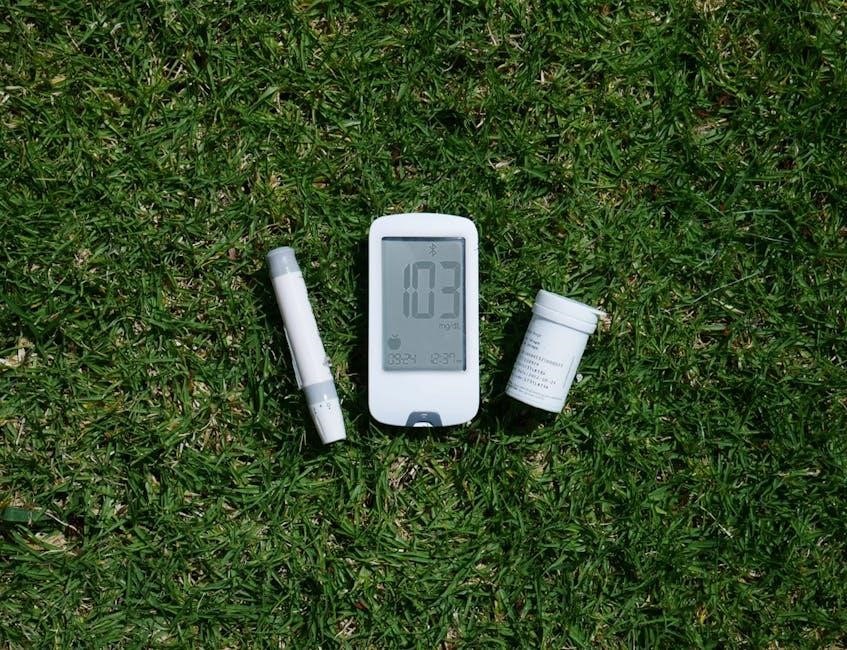
Many websites provide readily available, free printable glucose log PDFs designed for convenient tracking of blood sugar levels․ These logs typically feature pre-formatted tables to record date, time, glucose readings, meal details, and medication information․
Searching online with terms like “free printable glucose log” or “diabetes log sheet” yields a variety of options․ These are particularly useful for individuals who prefer a tangible, paper-based system or those needing a quick and accessible solution without requiring digital tools․
However, ensure the source is reputable to guarantee accuracy and appropriate formatting for effective diabetes management․
Customizable Glucose Log Templates
Beyond pre-printed logs, numerous websites offer customizable glucose log templates in PDF format, allowing users to tailor the log to their specific needs․ These templates often utilize software like Microsoft Word or Google Docs, then exported as PDFs․
Customization options include adding fields for specific medications, exercise routines, or notes about potential influencing factors․ This flexibility is beneficial for individuals with unique diabetes management plans․
Searching for “editable glucose log template PDF” will reveal options, empowering personalized tracking and improved data analysis․
Resources from Diabetes Organizations
Leading diabetes organizations frequently provide free, downloadable glucose log PDFs as valuable resources for individuals managing their condition․ The American Diabetes Association (ADA) and JDRF (formerly Juvenile Diabetes Research Foundation) are prime examples․
These PDFs are often designed by healthcare professionals, ensuring they include essential tracking elements․ They may also offer accompanying educational materials and support resources․
Accessing these logs through reputable organizations guarantees accuracy and alignment with current diabetes care guidelines, promoting effective self-management․
Tips for Effective Glucose Logging
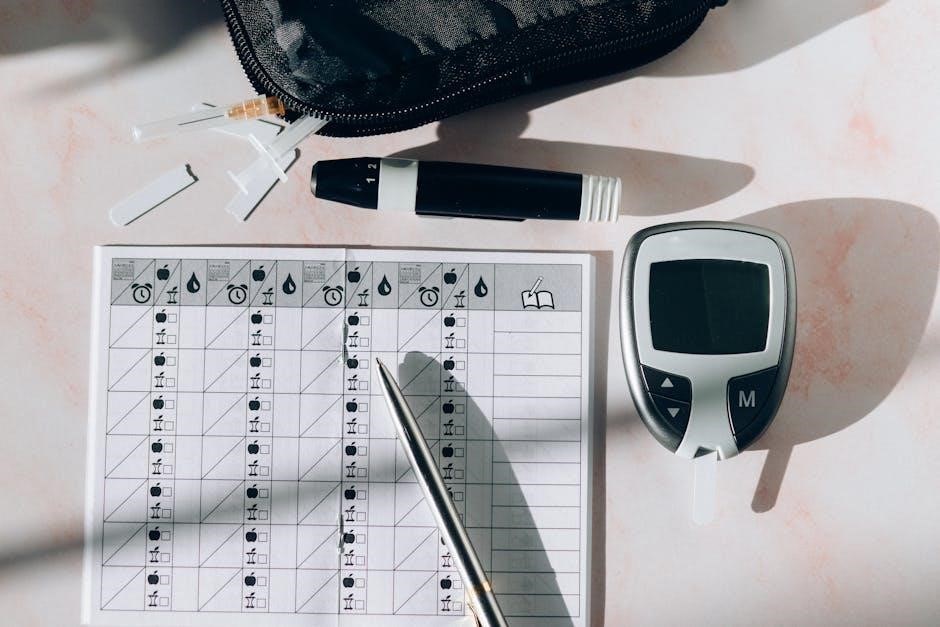
Utilize your glucose log PDF consistently, recording data accurately and promptly; regular reviews with your healthcare provider unlock valuable insights for optimal management․
Consistency is Key
Maintaining a regular glucose logging schedule, utilizing your PDF diligently, is paramount for effective diabetes management․ Sporadic entries offer an incomplete picture, hindering accurate pattern identification․ Aim to record readings at the same times each day – typically before meals, two hours after meals, and before bedtime – to establish a reliable baseline․
Consistent logging allows you and your healthcare team to assess the impact of diet, exercise, and medication on your blood sugar levels․ A complete log, filled out with precision, provides the necessary data for informed decisions and adjustments to your treatment plan, ultimately leading to better health outcomes․
Accurate Recording of Data
Precision is vital when completing your glucose log PDF․ Double-check each entry for correctness, ensuring the date, time, and blood glucose reading are accurately transcribed from your meter․ Don’t estimate; record the exact number displayed․
Detailed meal information – what you ate and portion sizes – is equally crucial, alongside any medications taken and their dosages․ Inaccurate data can lead to misinterpretations and potentially flawed treatment adjustments․ A reliable PDF log, filled with precise details, empowers informed healthcare decisions․
Regular Review with Healthcare Provider
Your completed glucose log PDF isn’t just for your records; it’s a vital communication tool․ Bring it to every appointment with your doctor or diabetes educator․ They will analyze trends, identify patterns, and adjust your treatment plan accordingly․
Don’t hesitate to discuss any challenges you faced while logging or any questions you have about your readings․ A collaborative review, utilizing the detailed PDF data, ensures optimal diabetes management and personalized care․
Advanced Features in Digital Glucose Logs (Beyond Basic PDF)
Beyond PDFs, digital logs offer data visualization, seamless glucose meter integration, and secure data sharing with healthcare professionals for improved monitoring․
Data Visualization and Charts
Digital glucose logs transcend the limitations of static PDF records by incorporating powerful data visualization tools․ These features transform raw numbers into easily interpretable charts and graphs, revealing trends and patterns that might otherwise go unnoticed․ Users can quickly identify high and low glucose excursions, assess the impact of meals and medications, and gain a clearer understanding of their overall glycemic control․
Visual representations, such as line graphs and bar charts, provide a comprehensive overview of glucose fluctuations over time, facilitating more informed decision-making․ Customizable date ranges and filtering options allow for focused analysis, while the ability to export charts enables effective communication with healthcare providers during consultations․
Integration with Glucose Meters
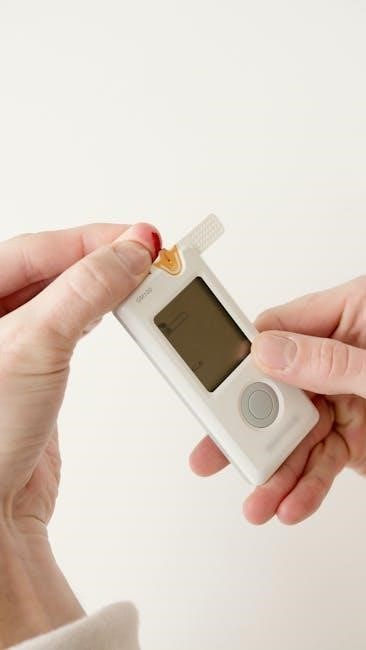
Modern digital glucose logs are increasingly capable of seamless integration with various glucose meters, eliminating the tedious task of manual data entry․ This connectivity streamlines the logging process, reducing the potential for errors and saving valuable time․ Data is automatically transferred from the meter to the log, ensuring accuracy and completeness․
Bluetooth and USB connectivity are common methods for establishing this link, allowing for real-time synchronization․ Such integration not only enhances convenience but also facilitates more comprehensive data analysis and reporting, ultimately improving diabetes management and patient outcomes․
Sharing Data with Doctors
Digital glucose logs, particularly those beyond basic PDF formats, offer convenient data-sharing capabilities with healthcare providers․ This feature empowers patients to actively participate in their care by providing doctors with a comprehensive view of their glucose trends․ Secure email attachments or dedicated patient portals facilitate easy transmission of log data․
This streamlined communication fosters more informed decision-making during appointments, leading to personalized treatment plans and improved health outcomes․ Remote monitoring becomes possible, allowing doctors to track progress between visits and intervene proactively when needed, enhancing overall diabetes management․
Glucose Log PDFs for Specific Needs
Tailored PDF glucose logs cater to unique requirements, such as gestational, Type 1, and Type 2 diabetes, offering specialized fields for relevant data tracking․
Gestational Diabetes Logs
Specifically designed PDF logs for gestational diabetes prioritize tracking blood glucose levels after meals, crucial for managing this temporary condition․ These logs often include dedicated sections for recording carbohydrate intake, as dietary control is paramount․
Furthermore, they frequently feature spaces to document fasting glucose readings and any associated symptoms․ Healthcare providers utilize these detailed records to assess the mother’s response to dietary adjustments and, if necessary, medication․
Consistent logging helps ensure a healthy pregnancy and minimizes risks for both mother and baby, making a specialized PDF log an invaluable tool․
Type 1 Diabetes Logs
PDF glucose logs for Type 1 diabetes are comprehensive, accommodating frequent monitoring and insulin adjustments․ These logs typically include detailed sections for recording insulin dosages – type, units, and timing – alongside blood glucose readings before meals, after meals, and at bedtime․
Space is also provided to document exercise, stress levels, and any illness, as these factors significantly impact glucose control․
Detailed tracking allows individuals and their healthcare teams to fine-tune insulin regimens and maintain optimal blood sugar management, crucial for long-term health․
Type 2 Diabetes Logs
PDF glucose logs designed for Type 2 diabetes often emphasize lifestyle factors․ Beyond standard blood glucose readings, these logs prioritize tracking carbohydrate intake, meal timing, and physical activity levels․ Space is allocated to record weight, blood pressure, and any medications taken, including oral diabetes drugs․
These logs help identify correlations between diet, exercise, and glucose control, empowering individuals to make informed lifestyle choices․
Regular review with a healthcare provider, utilizing the detailed PDF data, facilitates personalized management strategies․
Legal and Privacy Considerations
PDF glucose logs necessitate careful handling to ensure HIPAA compliance, safeguarding sensitive health information through secure storage and responsible data sharing practices․
HIPAA Compliance
Understanding HIPAA regulations is crucial when utilizing glucose log PDFs․ The Health Insurance Portability and Accountability Act establishes national standards to protect individuals’ medical records and other personal health information․
When a PDF log contains Protected Health Information (PHI) – like glucose readings, dates, and potentially identifying details – it falls under HIPAA’s purview․
Therefore, secure storage, limited access, and encrypted transmission are paramount․
Healthcare providers and patients alike must ensure the PDF’s security to avoid potential breaches and legal ramifications, prioritizing patient privacy at all times․
Data Storage and Security
Secure data storage is paramount when employing glucose log PDFs․ Given the sensitive nature of health information, protecting these files from unauthorized access is critical․
Employing strong passwords, encryption, and storing PDFs on secure, password-protected devices or cloud services are essential steps․
Regularly backing up the PDFs prevents data loss, while limiting access to only authorized individuals maintains confidentiality․
Consider the risks associated with email transmission and utilize secure methods for sharing with healthcare professionals․
Future Trends in Glucose Monitoring
Smart Glucose Logging Apps
While PDFs offer simplicity, smart apps are evolving, providing automated logging, data analysis, and seamless sharing with healthcare teams․
Continuous Glucose Monitoring (CGM)
CGM systems represent a significant leap beyond traditional glucose logs, even PDF versions․ These devices automatically track glucose levels throughout the day and night, providing a dynamic glucose profile․ While a PDF log captures snapshots in time, CGMs offer a continuous stream of data, revealing trends and patterns previously unseen․
This real-time insight empowers individuals to make informed decisions about diet, exercise, and medication․ Though CGMs largely supersede manual logging, PDF logs can still serve as valuable supplementary tools for recording contextual information – like specific meals or stressful events – that a CGM doesn’t capture․
The future likely involves even tighter integration between CGMs and digital logging platforms, minimizing the need for manual PDF entries altogether․
Smart glucose logging apps are rapidly evolving beyond the functionality of simple PDF logs․ These applications often integrate directly with glucose meters, automatically importing readings and eliminating manual entry errors․ They offer advanced features like data visualization, trend analysis, and personalized insights, providing a more comprehensive understanding of glucose patterns․
Many apps allow for easy sharing of data with healthcare providers, facilitating more informed treatment decisions․ While PDF logs offer a static record, these apps provide dynamic, interactive data․
However, the convenience of apps doesn’t negate the value of a readily printable PDF for specific needs or backup purposes․